


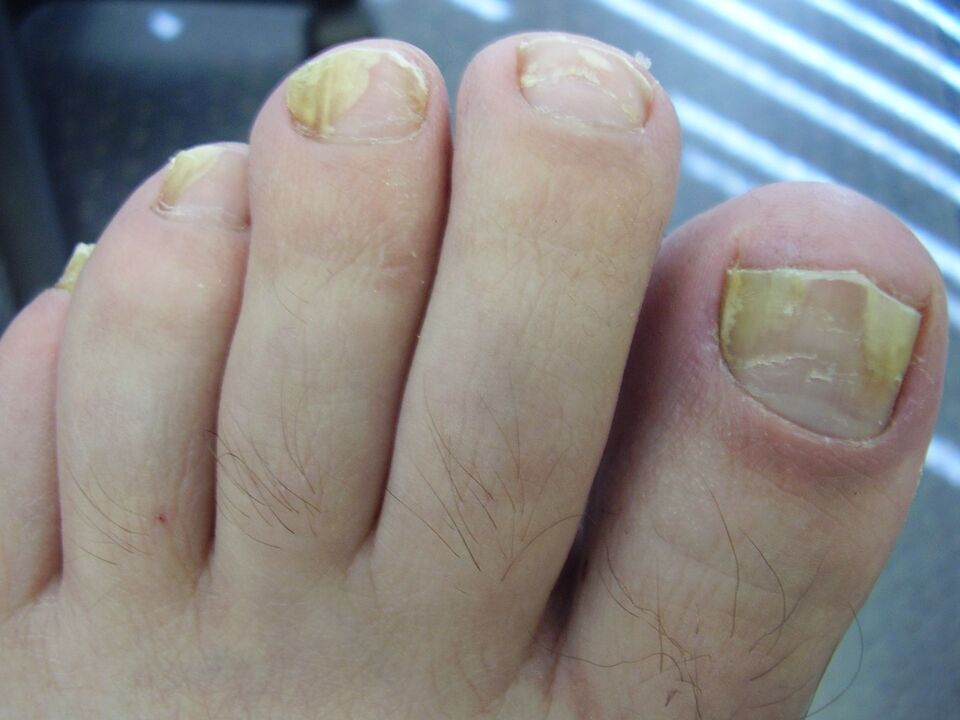
The initial stage of fingernail fungus is a pathology characterized by loss of healthy shine, fragility, changes in color and thickness of the nail plate.Knowing the symptoms of the pathology, the patient will be able to contact a specialist in time.Treatment will stop the disease, and preventive measures will prevent the re-development of the pathology.
Insidious onychomycosis
One of the most common infectious diseases is onychomycosis, popularly known as nail fungus.The pathology is not only common, but very insidious, and therefore requires careful treatment.Onychomycosis belongs to the category of infectious diseases.Without medical care it will become chronic, with serious consequences.The disease does not appear just like that, it all depends on the person’s hygiene habits and the characteristics of the profession.People of different age groups are affected by the disease.The fungus most often affects the foot and big toenail.The nail plates on the hands are less affected.It happens that the infection gets on the hands through non-compliance with hygiene standards during a manicure or from infected feet.There are frequent cases of “family” infection through the common use of hygiene products.!Fungus on the hands is not only a medical problem, but an aesthetic one.As pathology develops, the patient develops complexes.
Pathogens
trihofitii, fungi of the genus Candida are the main causative agents of infectious pathology.In rare cases, these are mold fungi.According to statistics, approximately 20 species of trihofiti parasitize human skin.The peculiarity of microorganisms is spore formation, resistance to high and low temperatures, drying, and antiseptic solutions.Once in the skin or under the nail plate, trihofiti spores grow and degenerate into microorganisms.In the form of thin threads (mycelium) they penetrate into the deep layers of the skin and nails.Mycelium have a dense cell wall that protects them from the immune system and antibodies that have begun to fight them.!Parasites penetrate the blood and spread throughout the internal organs and systems.As a result, nails and lymph nodes in different parts of the body suffer.
Sources of infection
The asymptomatic course of the initial stage of the disease is the cunning of parasites.Fungus on the fingers and toes is almost invisible at the beginning of infection.For activity and reproduction of microorganisms, a favorable microclimate is heat and moisture.Therefore, it is not surprising that infection occurs in public places (saunas, water parks, swimming pools, gyms, transport, train stations).The carrier of the infection leaves behind microscopic scales of skin and nails on everything it touches (handrails, shower stalls, sauna benches, towels, shoes, flooring, sports equipment).The abandoned spores quickly find a new victim and habitat for active growth and reproduction.The first parasites to attack are people who have: low immunity;body weakened by disease;psycho-emotional background is disturbed;injuries to the skin, nail plates;problems with maintaining hygiene rules.Fans of wooden baths are also at risk of infection.Wood has a porous structure and it is impossible to thoroughly disinfect it.Fungal spores are considered permanent inhabitants of baths, saunas made of natural materials or places where household items made of wood are present.!Sources of infection are warm places with high humidity, hygiene items, bed linen, improperly processed manicure tools, and sometimes dishes!
Clinical forms of pathology
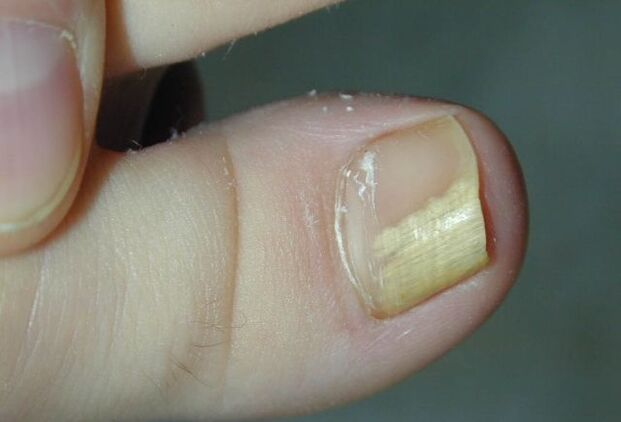
Onychomycosis is a disease that requires immediate medical attention.First of all, the clinical group of pathology is determined.Clinical forms: Normotrophic form.Symptoms appear slowly.Parasites attack the nail from the inside.Small yellow spots are noted, which increase over time and spread.Hypertrophic form.The infection affects the nail bed and plate.The nail becomes covered with cavities and tubercles.Fingers and toes suffer.The nail plate is separated from the bed.A whitish tint appears.Interesting!The disease tends to manifest symptoms in several forms.
Manifestations of fungal infection
The infection at the initial stage manifests itself with the same symptoms.The first alarming signs of the disease are a changed shape and color of the plate (causes of yellow toenails).What does the disease look like in the first stages?At the very beginning, the fungus affects gradually, as it progresses and spreads over the entire area.Depending on the location, the following types of pathology are distinguished:
- Distal view.The top of the nail is affected.
- Lateral view.Infection develops on the sides, near the skin.
- Proximal view.The surface of the plate is contaminated.
- Proximal view.Lesion near the nail fold.
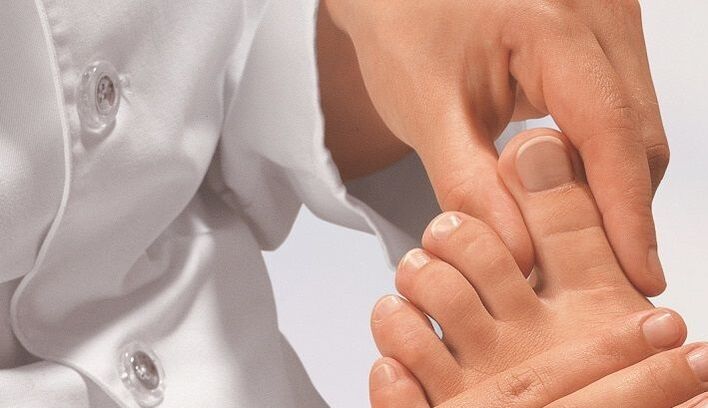
The general symptoms of the first attack of microorganisms are easy to notice.The shade of the plate is striking, the pink color changes to dull yellow, and later it becomes gray.Changes occur in the structure, irregularities and tubercles begin to appear.Later, stripes appear in the longitudinal direction, spots, and blurriness.There is thickening, sensitivity, and fragility at the site of the lesion.The infection begins to spread to the skin, which becomes red and inflamed.Fungus on the fingers is more often a problem for women, although in some cases men suffer from the pathology.
Parasites on the hands.Primary symptoms:
- loss of shine, dullness
- white spots on fingernails
- as the disease progresses the plate becomes gray or brown
- peeling skin on palms and fingers
- there is fragility, delamination, the nail crumbles
- black stripes on nails
- changes in the skin near the site of the lesion, it swells, turns red, peels
.View of nails affected by onychomycosis in the photo.The symptoms of foot and hand fungus have many similarities.
Fungus on toes
Microorganisms on the feet, symptoms:
- the plate is partially covered with yellow, blurry spots
- color is dull, shine disappears
- thickening and flaking are noted
- the skin peels off between the toes;slight itching between the fingers
- feet give off an unpleasant odor
Treatment at the first stage of pathology development is an important decision, since the peculiarity of onychomycosis is its rapid progression.Untimely treatment will lead to deformation of the nail plate and the accumulation of toxic toxins secreted by parasites.Once in the blood, toxins poison the body, disrupt the functioning of vital organs, and impair the metabolic process.
Infection control methods
How to treat onychomycosis?Treatment begins with a trip to the doctor, who prescribes a LBC culture procedure (scraping from the lesions) and other studies.A diagnostic examination will help determine the type of fungal infection and the patient's sensitivity to medications.Treatment at the initial stage requires complete dedication from the patient.Since the path to full recovery is long, you will need to be patient.To avoid a chronic form, it is important to follow all the recommendations of your doctor.
As a complex treatment the following is used:
- preparations that moisturize, nourish tissues, restore metabolic processes - creams, ointments, gels
- means preventing the development and proliferation of infection - solutions, drops;advanced infections are treated with tablets and injections
At the onset of the disease, treatment with non-steroidal and steroidal drugs (varnishes, ointments) is prescribed.They will prevent further activity, the proliferation of parasites, strengthen the immune system, and launch regeneration processes.
External medicines:
- Antifungal drugs – used against candida and yeast-like fungi.
- allylamine agents are active exclusively against fungi.
- Cream (the main component is snake oil).
- Gels.
- Varnish.
In order to slow down the fermentation of the mycelium, drugs are prescribed in tablets that have a fungicidal effect.
List of tablets:
- Capsules are a fast-acting medicine that does not require treatment with additional drugs.At the same time, varnishes or gels are used to restore the appearance of the nail plate.
- Anti-fungal kit with Chinese herbs - the medicine acts instantly using the extract of Chinese herbs and synthetic compounds included in the drug.
- Capsules – activates the body’s defenses, normalizes the state of microflora.
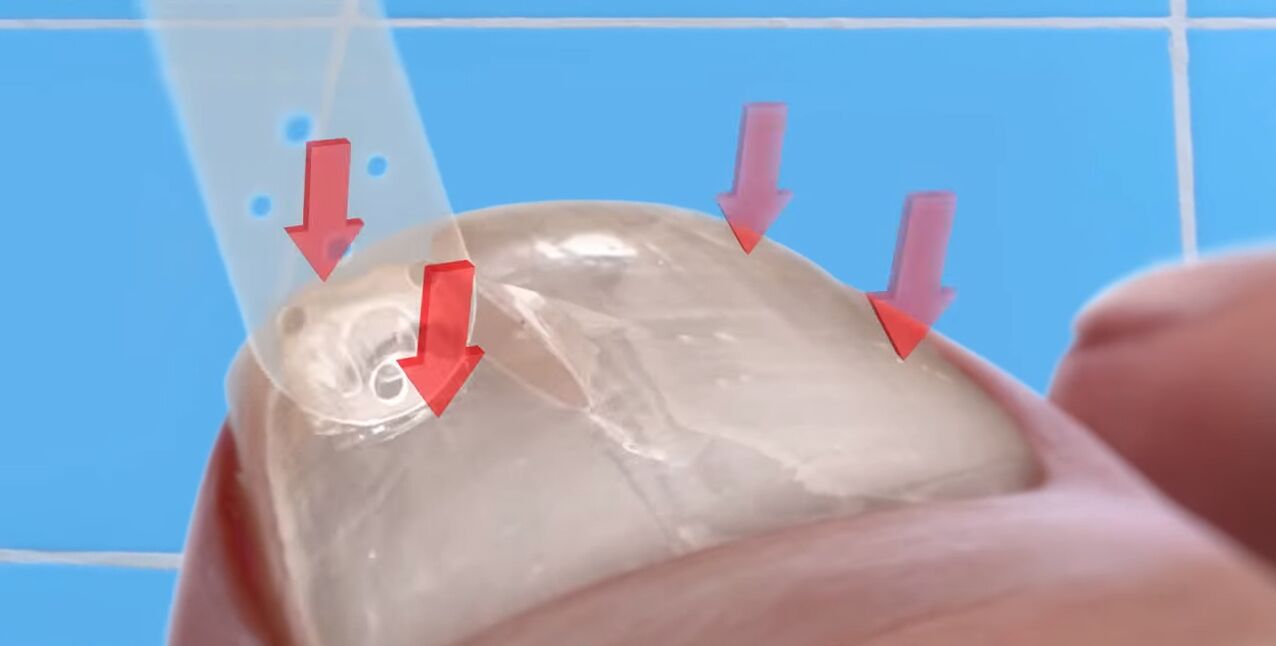
- Drops - thanks to the main component naftifin hydrochloride, it acts quickly, being absorbed into the skin and creating lasting protection.The film created by the drops prevents microorganisms from penetrating into the deeper layers of the dermis.
At the initial stage of the disease, treatment with folk remedies is used.Apple cider vinegar, iodine, hydrogen peroxide, strong tea infusion, celandine oil, pepper spray, salicylic acid 35% work well against parasites.Before using medications or traditional medicine, it is important to consult with your doctor.
Prevention
After treatment for the infection, preventive measures are necessary.
Recommendations:
- do not use someone else’s shoes or hygiene items;
- only comfortable shoes, made from natural materials;
- clean socks, change daily;
- compliance with hygiene rules;
- nail care with absolutely clean tools;
- strengthening the immune system, taking vitamins.
Conclusion
Mycosis is a disease from which no one is immune.Both a person with reduced immunity and a completely healthy person can become infected.Therefore, it is very important to surround yourself with cleanliness, take care of your health, and maintain hygiene.Of course, such measures cannot guarantee one hundred percent safety, but they will minimize the likelihood of infection by pathogenic microorganisms.